A good mower can save a Saturday afternoon, while the wrong one turns it into a wrestling match. Rotary lawn mowers handle the lion’s share of suburban lawns, so picking a model matched to your yard size, slope tolerance, and tolerance for noise matters more than chasing specs. I pulled together seven walk-behind options that span tiny patches, mid-size lots, and brush-heavy lots, so the right tool lines up with the grass in front of you.
A Closer Look At The Lineup

Einhell GC-EM 1742 42cm Rotary Manual Mower
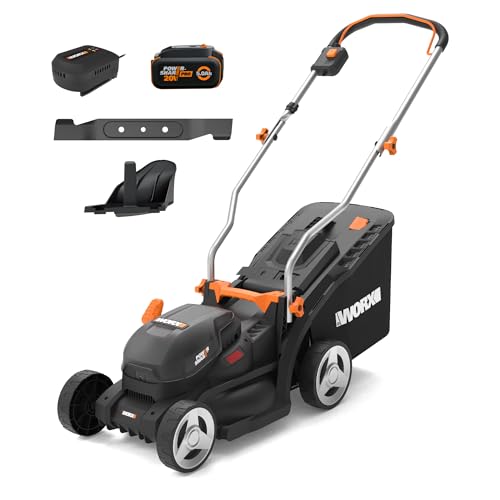
Worx 20V 14″ Cordless Lawn Mower WG733.1
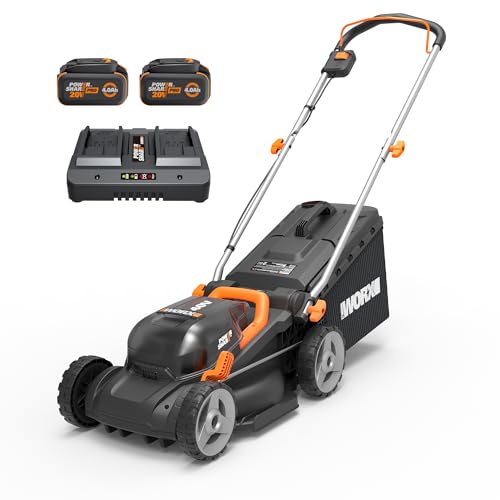
Worx 40V 14″ Cordless Lawn Mower WG735

Worx 40V 17″ Cordless Lawn Mower WG745

PowerSmart 18-inch 144cc Gas Lawn Mower

Earthquake Walk-Behind String Mower 22″

Litheli 40V 16″ Cordless Lawn Mower
A Breakdown Of The Leading Choices
For a postage-stamp lawn behind a townhouse, the Einhell GC-EM 1742 cuts out the fuel stop and the cord tangle entirely. It is a push reel mower, meaning a spinning cylinder of blades does the work as you walk, with a 42 cm cutting width suited to small, flat patches. The trade-off is honesty: there is no throttle, no bag, and no engine to bail you out on a slope.
Quiet enough for a 7 a.m. mow without waking the neighbours, and light enough to hang on a shed hook. Walk-behind gardeners who measure their lawn in square meters, not acres, will get on with it well.
Notable Upsides
- Zero fuel, zero battery, zero pull cord to fight on a damp morning.
- 42 cm deck covers a small lawn in a handful of passes.
- Cuts down on service, since there is no engine oil to change or spark plug to replace.
- Light enough to store vertically in a tight shed corner.
Things To Consider
- You supply the power, so foot fatigue builds up across larger lawns.
- Reel cutting struggles in tall, wet grass, which owners commonly report clumping at the chute.
- Blade adjustments need periodic checking to keep the cut clean.
Who It Suits Best
Apartment gardeners and townhouse owners with a flat, tidy lawn under about 200 square meters.
Skip It When
The Worx WG733.1 suits better for anyone who wants powered cutting without the engine maintenance.
The Worx WG733.1 fills a gap for homeowners who want a powered cut without hauling a battery bank. It runs on a single 20V 5.0Ah PowerShare Pro battery and trims a 14-inch path, which makes it the most compact entry in the Worx cordless range. The brushless motor is the kind of detail that matters for runtime, since brushless designs spin cooler and stretch battery life per charge.
Yards up to about 3,200 square feet clear on one battery, so most small suburban lots wrap up before the charge runs dry. A 2-in-1 deck switches between bagging and side discharge, which gives flexibility without piling on accessories.
Benefits That Matter
- One-hand steering around flower beds and tree wells.
- Brushless motor runs quieter and tends to outlast brushed alternatives.
- PowerShare battery swaps into other Worx 20V tools, so gardeners already in that ecosystem save on extras.
- Storage is straightforward, thanks to a folding handle on a small frame.
Worth Noting
- Single battery limits thicker, overgrown patches, since runtime drops in dense growth.
- 14-inch deck means more passes across any lawn wider than a narrow strip.
Made For
First-time mower owners in the city with a tidy, manageable lot and a few garden beds to weave around.
A Better Fit Elsewhere
Anyone mowing a quarter-acre should look at the Worx WG745, which pairs two batteries for a wider deck.
The WG735 takes the WG733.1’s friendly footprint and gives it more headroom for thicker grass. IntelliCut technology auto-adjusts torque on the fly, so the motor ramps up only when the blades meet resistance, which keeps battery use honest. In practical terms, that means the mower feels more capable on a damp lawn after rain without burning through a full charge.
A single 20V 4.0Ah battery drives the 40V system, and the 14-inch deck handles up to roughly an eighth of an acre per session. Compared with the smaller WG733.1, this is the smarter pick for lawns that swing between thin and thick patches.
The Helpful Details
- IntelliCut torque management preserves runtime on uneven growth.
- Optimized deck airflow pulls clippings cleanly into the bag, which owners commonly report reduces clogging.
- Same PowerShare battery family as other Worx tools for shared charging.
- Brushless motor cuts maintenance down to occasional blade checks.
Points To Keep In Mind
- Single-battery design means longer cuts in dense grass may push runtime to the limit.
- 14-inch width still demands more passes than a 17-inch sibling.
Quick Facts
Best Suited To
Suburban gardeners with patchy grass quality who need smart torque on a 14-inch deck.
Consider Something Else When
The Worx WG745 is a smarter fit for anyone cutting closer to a quarter-acre on a regular basis.
Where the smaller Worx models play in the suburbs, the WG745 is built for the lawn that actually needs a workout. Two 20V 4.0Ah PowerShare batteries feed a 40V brushless motor, and the wider 17-inch deck means fewer trips back and forth across a quarter-acre yard. It is also a tidy choice for homeowners already running other Worx 20V gear, since those batteries clip right in.
The 40V platform also ditches the gas-and-oil ritual, which matters to anyone who wants to skip the annual tune-up. Owners commonly report that the dual charger keeps both batteries topped off overnight without fuss.
What Makes Sense
- Two batteries share the load across longer cuts, reducing mid-mow charging stops.
- 17-inch deck shaves real time off a larger lot, in our view.
- Cross-compatibility with 140-plus PowerShare products simplifies spare battery management.
- Brushless drive keeps the noise closer to a vacuum than a small engine.
Trade Offs
- Wider deck reduces nimbleness in narrow side-yard corridors.
- Two batteries mean more weight to wrestle on a steep slope.
Feature Rundown
Right Fit For
Family households with a quarter-acre lawn who already lean on cordless tools for weekend chores.
Look Elsewhere When
Reel-mower purists should look at the Einhell GC-EM 1742 for a smaller, quieter patch.
Battery mowers are easier, but gas still earns its keep in tall, neglected grass. The PowerSmart packs a 144cc 4-stroke OHV engine under an 18-inch steel deck, with an auto choke and primer bulb that take the guesswork out of cold starts. Side-discharge sends clippings back into the lawn, which doubles as a light feed for the soil underneath.
For overgrown lawns where a battery would tap out early, this engine keeps cutting without a recharge pause. It is heavier, louder, and more maintenance-heavy, so the trade-off is real.
Features That Help
- 144cc engine chews through tall fescue and neglected patches where cordless models bog down.
- 18-inch steel deck trims a wide path and tends to resist warping over seasons.
- Auto choke simplifies the pull-start sequence for anyone new to small engines.
- Side-discharge pattern spreads clippings without bagging hassles.
A Few Limitations
- Engine upkeep, including oil changes and air filter cleaning, falls to the owner.
- Louder than any battery model in this lineup, which matters on shared property lines.
- Heavier frame wears down the operator across long sessions.
Key Specs
Perfect Match For
Homeowners tackling overgrown lawns and rough grass where battery power would run dry.
Another Choice May Suit
Quiet-neighbourhood gardeners should look at the Worx WG735, which trims without the noise.
The Earthquake is not really a lawn mower in the suburban sense, but a brush clearer disguised as one. A 160cc 4-cycle Viper engine drives a 22-inch Hurricane cutting head, which carves a wide path through weeds, saplings, and tall grass that would stall a regular rotary deck. The grab-n-go bail keeps operator hands close to the controls without overcomplicated levers.
Airless 2.5 x 14.5-inch wheels roll over uneven ground without going flat, and the adjustable handlebar fits different heights. It is a different category from the rest of the list, but a worthwhile add for rural lots.
A Favorable Mix
- 22-inch cutting diameter clears field edges and fence lines in record time.
- Airless wheels skip flat repairs and roll across rough, root-strewn ground.
- 4-cycle Viper engine skips the oil-gas mix of 2-cycle alternatives.
- Adjustable handlebar suits both short and tall operators comfortably.
Honest Caveats
- String-style cutting produces a rougher finish than a blade deck on a flat lawn.
- Replacement line adds an ongoing consumable cost.
- Not the pick for a tidy front yard, since it tends to leave uneven edges near sidewalks.
At A Glance
Who Should Grab It
Rural property owners managing field edges, trails, and overgrown fence lines.
Reach For A Different Pick When
Suburban lawn keepers will do better with the PowerSmart gas mower for a finished look.
The Litheli 40V splits the difference between Worx’s 14-inch compact models and the wider 17-inch WG745. Two 5.0Ah batteries feed a brushless motor that runs quietly and skips the spark-plug ritual entirely. Six cutting heights between 25 and 75 mm mean a tidy spring trim or a longer summer cut, depending on the season.
A 50L collection bag catches clippings for tidy lawns, while a mulching mode chops them back into the soil for a low-effort feed. Compared with the WG735, this one offers more height range and bigger batteries at the cost of a slightly heavier frame.
Real-World Strengths
- Six height settings from 25 to 75 mm cover everything from short ornamental turf to longer summer cuts.
- Two 5.0Ah batteries deliver 40V output without the runtime dips of single-battery setups.
- 50L collection bag reduces emptying stops on longer mows.
- Brushless motor trims maintenance down to occasional blade swaps.
Potential Compromises
- Both batteries must be inserted to run, which limits flexibility if one needs charging.
- 16-inch deck lands between compact and full-size, so it does not fully commit to either extreme.
Feature Snapshot
Built With In Mind
Homeowners who want flexibility across seasons and grass types without committing to a large frame.
Where A Sibling Pick Shines
Anyone prioritising a wider deck should reach for the Worx WG745 instead.
Choosing A Mower That Fits Your Yard
Match Deck Size To Lawn Area
Cutting width matters more than engine size for most homeowners. A 14-inch deck handles a 2,000-square-foot lot comfortably, while a 16 or 17-inch deck saves real time on anything over a quarter acre. Going too big on a tiny yard just makes storage awkward.
Reel Versus Motorised Cutting
Push reel mowers, like the Einhell GC-EM 1742, cut grass with a scissor action rather than a spinning blade. The cut is clean and the operation is silent, but they struggle with thick, tall, or wet grass. Powered rotary mowers are the right tool for most lawns because they handle variable conditions with less effort.
Battery Or Gas
Battery models win on noise, maintenance, and weekend-mow ease. Gas mowers win on runtime and raw cutting power for neglected grass. The right pick depends on yard size, grass type, and tolerance for engine upkeep.
Features That Move The Needle
Brushless motors outlast brushed versions and run cooler. Adjustable cutting heights give seasonal flexibility, and bag-versus-mulch choices shape cleanup routine more than most shoppers expect.
What Sets The Better Models Apart
Where Shoppers Go Wrong
Buying a wider deck than the yard needs is a common trap, since it makes storage and turning harder than necessary. Another mistake is choosing gas for a small flat lawn, then paying for maintenance that never needed to happen. Match the tool to the lot, and you avoid both regrets.
Where The Extra Money Goes
Higher-tier rotary mowers tend to invest in brushless motors, dual-battery systems, and wider decks that save time. The jump pays off for anyone mowing a quarter acre or more, but a small yard does not always benefit from the extra features. Spend up only when the deck width and battery system match the lawn in front of you.
Frequently Asked Questions
How often should I mow the lawn?
Most lawns do well with a weekly cut during the growing season. Cutting more than a third of the blade at once stresses the grass, so shorter intervals keep the cut cleaner.
Are rotary lawn mowers good on slopes?
Rotary mowers handle gentle slopes well, especially models with wider wheels for traction. Steep grades call for a self-propelled option or a careful walk-behind pace.
What is the difference between a reel and a rotary mower?
A reel mower uses a scissor-style cutting, while a rotary mower uses a single horizontal blade spinning at high speed. Reels deliver a cleaner cut on short, even grass; rotators handle thicker, taller growth with less effort.
How long do battery mower batteries last?
Modern lithium batteries in this category tend to hold useful charge for several seasons before capacity drops noticeably. Storing them indoors over winter extends the lifespan.
Can I mulch and bag with the same mower?
Several models in this list, such as the Litheli 40V, offer both mulching and bagging modes. Switching between them usually takes a minute without tools.
Bottom Line
A quiet battery model suits most small and mid-size lawns, while gas still earns its place on tall, neglected grass. Brushy, overgrown lots call for a string mower like the Earthquake. Pick the deck width and power source that match the yard, and the rest of the choice tends to fall into place.