Small yards deserve tools that actually fit the job. A garage-busting riding mower or a heavy gas unit turns a 15-minute trim into an hour of wrestling, and that’s before factoring in oil changes and pull-cord tantrums. The seven walk-behind mowers below each solve the small-yard problem a different way: some stay featherlight for quick touch-ups, others trade a bit of weight for longer runtime or a wider cut. Pick based on your lawn’s shape, your tolerance for cords or charging, and how often you actually mow.
The Main Contenders
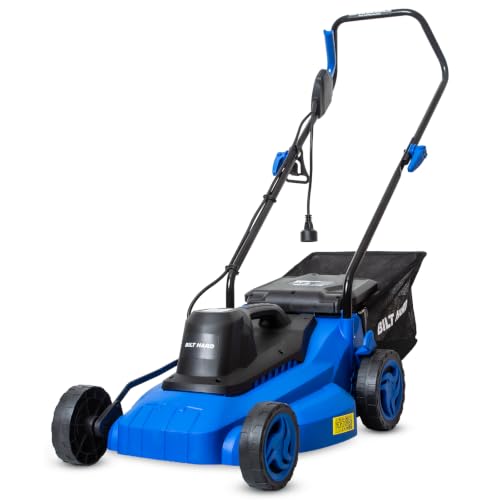
BILT HARD 15″ Corded Electric Lawn Mower 11A 5 Height Adjustments

BLACK+DECKER Electric Lawn Mower with Trimmer Line Spool 2-Pack
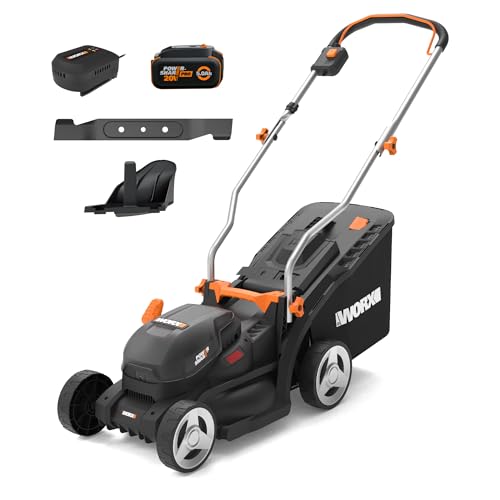
Worx 20V 14″ Cordless Lawn Mower WG733.1
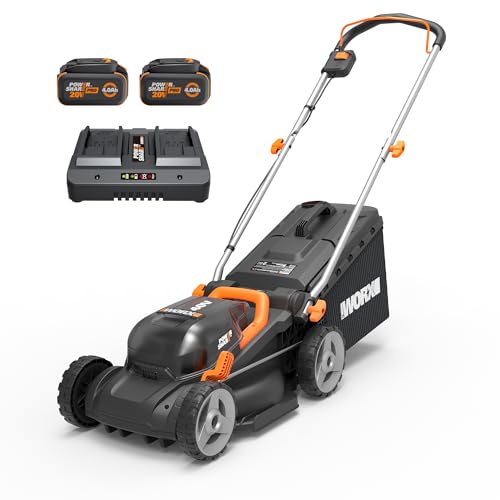
Worx 40V 14″ Cordless Lawn Mower WG735

Worx 40V 17″ Cordless Lawn Mower WG745

Greenworks 48V 20″ Brushless Cordless Lawn Mower 2×4.0Ah Kit

Litheli 40V 16″ Cordless Lawn Mower 2×5.0Ah Batteries
The Strengths Of Each Pick
Plug-in mowers get a bad rap for tethering you to an outlet, but for a postage-stamp lawn right next to the house, that cord disappears faster than you’d expect. The BILT HARD 15-inch corded model leans into that use case: a 15-inch cutting deck (the width of grass it slices in one pass) that slips through narrow side yards, paired with an 11-amp motor spinning at 3,300 RPM (revolutions per minute, a measure of how fast the blade turns) for clean cuts on common cool-season grasses.
The foldable frame matters more than it sounds for storage against a shed wall or behind a lawn chair. Owners in apartments and townhomes tend to appreciate the lighter carry weight compared with cordless options that house a battery.
Real-World Strengths
- Five height positions between roughly 1 and 3 inches let you adjust for early-season growth versus summer dormancy without swapping tools.
- A 35-liter grass bag (about 9 gallons) keeps clippings contained, so weekly trims stay tidy without constant dumping.
- Corded power means no charging downtime and no battery degradation over the years.
- The 15-inch deck strikes a workable balance for lawns under 1,500 square feet, narrow enough for tight passes yet wide enough to finish quickly.
Points To Keep In Mind
- You’re tied to an extension cord, so lawn shape and outlet distance will dictate whether this works at all.
- The 15-inch deck takes more passes than wider mowers if the lawn stretches beyond a small patch.
Quick Facts
Made For
Someone with a small, rectangular lawn close to an outdoor outlet who wants the simplest path to a clean cut.
A Better Fit Elsewhere
Homeowners with lawns over 2,500 square feet or odd shapes that put the outlet far from the grass will find the Worx 40V 14″ Cordless Lawn Mower WG735 a more practical fit.
The BLACK+DECKER BESTA512CM earns its spot for shoppers who want one tool that handles mowing, trimming, and edging without a separate string trimmer cluttering the garage. A 6.5-amp motor drives the cutting head, and the included AF100-2 spool adds two replacement line cartridges (the small plastic hubs that hold the cutting line) so you can swap in fresh line without a special trip.
This is genuinely a different machine from the corded BILT HARD above. That one pushes grass with a rotating blade, while this one cuts with a high-speed string line, which makes it lighter and easier to flip into edger mode for walkways. For small patchy lawns bordered by sidewalks, that flexibility is the whole point.
Real Benefits
- Three functions in one tool: mower, trimmer, and edger, with a simple pivoting head for each mode.
- Lightweight corded design suits users who want battery-free operation without hauling a heavy deck.
- The included 0.065-inch line spool refill (a common string-trimmer line thickness) means a quick replacement is on hand the day the original line wears through.
Trade Offs
- String cutting produces a rougher finish on thicker grass compared with a true blade mower like the BILT HARD.
- Best limited to smaller lawns, since the narrow cut and lighter motor bog down in heavy spring growth.
Right Fit For
Apartment renters with a postage-stamp lawn and walkway edges who need one tool that handles everything in a single pass.
Swap It Out When
Anyone who mows weekly across a wider patch of grass will prefer the Worx 20V 14″ Cordless Lawn Mower WG733.1 for its blade-style cut and cordless freedom.
Worx built the WG733.1 as the most compact model in its cordless lineup, and that intent shows in how easy it is to lift over a garden bed or carry down basement stairs to a courtyard. The 14-inch deck is the smallest blade-style cut here, but the brushless motor (a motor with no physical brushes, which means less friction, longer life, and better battery efficiency) makes up ground by squeezing more runtime from a single 20V 5.0Ah battery (a battery rated at 20 volts with 5 amp-hours of capacity, where higher amp-hours mean longer runtime).
Compare that to the heavier BILT HARD corded mower above, and the trade-off becomes clear: you give up unlimited runtime for cordless freedom, but the WG733.1’s compact shape shines in narrow side yards where a bigger deck won’t fit.
Bright Spots
- Brushless motor extends battery life and reduces wear on internal parts over years of use.
- The 14-inch deck navigates tight corners and narrow gates that block wider mowers.
- Battery covers up to roughly 3,200 square feet per charge, which fits most small- and mid-sized suburban lots.
- Two-in-one design offers mulching (chopping clippings finely and dropping them back into the lawn as natural fertilizer) and bagging modes without swapping parts.
- PowerShare battery works across more than 140 other Worx tools, gardening and household alike.
Honest Caveats
- A single 20V battery may run short on thicker or wet grass, so larger yards sometimes need a second charged battery.
- The 14-inch cut means more passes than the 17-inch Worx WG745 for the same lawn.
Who Will Love This
Urban gardeners with irregular lawn shapes who already use Worx tools and value a battery that swaps between devices.
Reach For A Different Pick When
Homeowners covering a flatter, rectangular lawn of around 1/8 acre will find the Worx 40V 14″ Cordless Lawn Mower WG735 better balanced for steady mowing with fewer charge breaks.
The WG735 steps up from the WG733.1 above with a 40V platform (effectively two 20V batteries working together for more torque) and IntelliCut, a system that senses grass thickness and bumps up blade torque on the fly. For lawns with mixed conditions, sunny patches alternating with shady thick spots, that adaptive response is the feature most users describe as a quiet upgrade rather than a flashy one.
Worx rates coverage at roughly 1/8 acre on a single charge with the included 4.0Ah battery. That’s a specific framing: not the smallest yards, not the largest, but the middle ground where most small-yard shoppers land.
Standout Benefits
- IntelliCut auto-adjusts torque, which keeps the blade moving through thicker patches without bogging down.
- Optimized deck with internal airflow lifts grass for a cleaner cut compared with flat-deck mowers.
- The same PowerShare battery platform as the smaller Worx models, so existing batteries from other tools slot right in.
Some Limits To Know
- 14-inch deck still means more passes than the 17-inch WG745 or the 20-inch Greenworks for wider lawns.
- Single-battery operation may demand a backup battery for lawns edging toward a full 1/8 acre.
Feature Snapshot
Whose Shelf It Belongs On
Shed owners with lawns that mix thick and thin grass patches and want a battery they can swap with other outdoor tools.
Where A Sibling Pick Shines
The Worx 40V 17″ Cordless Lawn Mower WG745 is the better fit for anyone whose lawn runs a bit larger and wants to finish mowing in fewer passes.
The WG745 widens the deck to 17 inches and ships with two 4.0Ah batteries plus a dual charger, so a mid-sized lawn gets finished in one continuous run rather than waiting on a recharge. Worx rates coverage up to 1/4 acre, which sits right at the boundary of “small yard” and “actually bigger than you thought.” For homes where the lawn has crept over time or includes a side strip, that extra capacity matters.
Compared with the WG735, the trade is simple: a wider cut and longer runtime in exchange for a slightly bulkier footprint that may not slip through the narrowest gates.
What Makes Sense
- Two included batteries with a dual charger remove the mid-mow charging wait.
- 17-inch deck cuts mowing time noticeably on rectangular lawns versus the 14-inch Worx models.
- Brushless motor paired with the same PowerShare platform, which keeps battery investment flexible across the lineup.
Trade-Offs To Consider
- Larger deck can struggle to fit through fence gates under about 36 inches wide.
- For lawns well under 1/8 acre, the extra battery weight adds bulk without much runtime payoff.
Who Should Grab It
Homeowners with weekly mowing habits on lots approaching a quarter acre, who value finishing quickly over compact storage.
Skip It When
Townhouse owners with very narrow gates and small lawns will find the Greenworks 48V 20″ Push Lawn Mower a similarly capable alternative with a wider cut but heavier build.
The Greenworks 48V platform uses two 24V batteries working in tandem (24V x 2), and the 20-inch deck is the widest cut in this roundup. For small yards that are actually larger than the label suggests, a wider deck means fewer passes and faster weekend cleanup. The brushless motor keeps noise down and battery drain gradual compared with brushed motors, which use carbon contacts that wear over time.
Where the smaller Worx mowers favor compact storage and narrow-gate access, this Greenworks leans into coverage. For a flat, open lot under about 1/4 acre, the time savings show up immediately.
A Strong Showing
- 20-inch deck covers ground quickly, finishing small-to-mid lawns in noticeably fewer passes than 14- or 17-inch models.
- Dual-port rapid charger trims downtime between battery swaps compared with single-bay chargers.
- Brushless motor extends runtime and reduces mechanical noise during operation.
- Two 4.0Ah batteries ship in the kit, so no separate battery purchase is required to start mowing.
Worth Bearing In Mind
- The 20-inch deck can be tough to maneuver in lawns with tight island beds or narrow side passages.
- Heavier than the smaller Worx models, so storage in a tight shed corner takes more planning.
Key Product Details
Best Suited To
Homeowners with open, mostly rectangular small yards near 1/4 acre who want gas-like coverage without the gas maintenance.
Look Elsewhere When
Anyone navigating a tight side gate or working around many flower beds will find the Litheli 40V 16″ Cordless Lawn Mower easier to thread through narrow spaces.
The Litheli 40V rounds out the roundup with the broadest height range in the group: six adjustments from 25 to 75 millimeters (about 1 to 3 inches), letting you scalp a summer lawn short or leave it tall for drought stress. Two 5.0Ah batteries ship with the unit, the largest amp-hour count here, and both must be installed for the 40V system to deliver full power.
Versus the similarly sized Worx WG735 above, this Litheli leans toward a 50-liter collection bag (about 13 gallons) for longer trimming sessions between empties, and the six height steps give finer tuning through changing seasons.
Notable Upsides
- Six cutting heights from 25 to 75 millimeters cover everything from neat short cuts to longer summer settings.
- 50-liter collection bag holds more clippings than smaller bags, so longer sessions don’t require mid-mow emptying.
- Brushless motor (no carbon brushes to wear out) means quieter operation and longer motor life compared with brushed designs.
- Dual 5.0Ah batteries deliver the highest included runtime in this roundup.
Factors To Consider
- Battery platform isn’t broadly interchangeable with other major cordless tool brands, so it’s a closed ecosystem if you already own a different system.
- Both batteries must be installed to operate, so losing or damaging one means the mower won’t run until a replacement arrives.
Perfect Match For
Small-yard owners who mow across multiple grass types and want the flexibility to adjust height week to week without swapping tools.
Not Your Match When
Shoppers already invested in another brand’s 20V or 40V battery platform will appreciate the cross-tool compatibility of the Worx 40V 14″ Cordless Lawn Mower WG735 instead.
What Matters Most Before Choosing Small Yard Lawn Mowers
Deck width sets the pace. A 14-inch deck works in narrow gates and tight turns, while a 17- or 20-inch deck trims minutes off each session on open lots. Match deck width to lawn shape rather than lawn size alone, since a winding path through beds will punish wider decks more than it rewards them.
Corded versus cordless is the second fork. Corded mowers like the BILT HARD above never run out of power mid-lawn, but they require an outdoor outlet and a manageable extension cord. Cordless models trade that tether for charging cycles and runtime limits. Cordless suits yards farther from the house or anyone tired of cord drag.
Brushless motors versus brushed ones matter for longevity. Brushless designs use electronic controllers instead of physical carbon contacts, which reduces friction, runs cooler, and typically lasts longer. Every cordless mower in this roundup uses a brushless motor, but it’s a meaningful spec on older or off-brand options.
Battery voltage and capacity translate directly to runtime and torque. Higher voltage (40V or 48V) handles thicker grass without bogging. Higher amp-hours extend runtime per charge. Two batteries in the kit, like on the Worx WG745 and Litheli models, remove mid-mow charging pauses.
Height adjustment range and bag capacity shape day-to-day comfort. More height steps mean easier seasonal tuning. Larger bags mean fewer stops to empty clippings, especially helpful for weekly mowing through peak growth.
Key Considerations Across These Picks
Where Shoppers Go Wrong
The most common slip is choosing deck width by lawn size alone. A 20-inch deck sounds faster on a 1/8-acre lot, but if the lawn snakes around a garden shed, the wider deck becomes a liability in tight spots. Measure your narrowest gate and tightest turn before falling for raw coverage numbers.
Another trap is underestimating cordless runtime. Manufacturers rate coverage under ideal conditions, which means flat, dry, recently cut grass. Tall spring growth or damp morning grass can cut runtime by a third, leaving you with a half-mowed lawn and a depleted pack. Buying one extra battery solves it for most people.
What The Higher Tier Buys
Premium-tier cordless mowers in this category typically bring brushless motors, larger amp-hour batteries, and dual-battery kits. The Greenworks 48V and Worx WG745 sit there, and the extra cost shows in torque through thick patches, faster recharge cycles, and broader height adjustments. For weekly mowers on lots approaching 1/4 acre, the upgrade pays back in fewer frustrating sessions. For occasional trims on tiny lawns, a lighter, simpler model is the honest answer.
Frequently Asked Questions
What size lawn mower do I need for a small yard? A 14- to 17-inch deck handles most yards under 1/4 acre comfortably. Anything wider tends to be overkill unless the lawn is fully open and rectangular.
Are cordless mowers powerful enough for small yards? Modern 40V and 48V cordless mowers match corded performance for typical residential grass. Heavier wet growth can slow them, but for weekly maintenance on common grasses, runtime and torque are sufficient.
How long does a cordless mower battery last? A 4.0Ah to 5.0Ah battery typically covers 25 to 40 minutes of mowing, depending on grass thickness. Two batteries in the kit, as on the Worx WG745 and Litheli 40V, effectively double that for most small yards.
Can I use a cordless mower battery in other tools? Only within the same brand ecosystem. Worx PowerShare batteries work across more than 140 Worx tools, while Litheli and Greenworks batteries stay within their own product lines.
How often should I sharpen or replace mower blades? Once a year for light residential use, or after roughly 25 hours of mowing. Dull blades tear grass rather than cutting it, which leaves brown tips and stresses the lawn.
The Takeaway
The right small yard lawn mower is the one that fits your lawn shape, your storage space, and your tolerance for cords or charging. Corded simplicity from the BILT HARD works for tight lawns near an outlet; the Black+Decker combo handles tiny lots plus edges; and the Worx and Greenworks cordless options scale up from compact 14-inch decks to wider 20-inch cuts for slightly larger spaces. Pick the trade-off that bothers you least, and the rest of the season takes care of itself.