A thin, tired lawn rarely starts with bad grass seed. More often, the soil underneath is the bottleneck, holding water poorly or running low on organic matter. Adding the right soil amendment for lawns can loosen compacted earth, feed microbial life, and give roots somewhere to actually grow. I’ve put together eight options worth a look, from worm castings that condition soil to perlite that fixes drainage fast.
The Picks In Brief

BuildASoil Worm Castings for Gardening – Premium Organic Earthworm Castings (2 Gallons)

Espoma Organic Bio-Tone Starter Plus 4-3-3 with Mycorrhizae (18 lb. Bag)
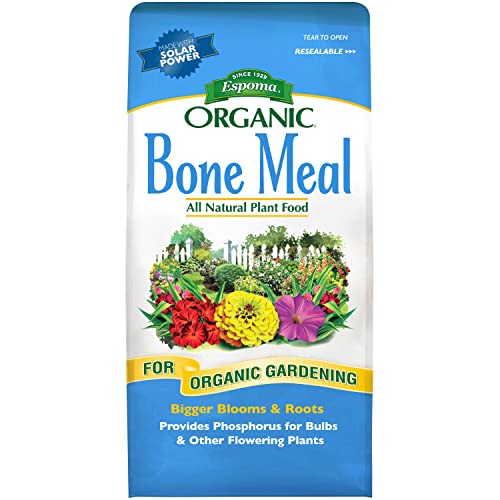
Espoma Organic Bone Meal Fertilizer 4-12-0 (8 lb. Bag)

Legigo 4 Quarts Organic Perlite for Soil Mix Amendment

Earth Science Earthworm Castings – 3 lb Plant Fertilizer

Legigo 15 Quarts Organic Perlite for Soil Mix Amendment

Legigo 20 Quarts Organic Perlite for Soil Mix Amendment

Legigo 6 Quarts Organic Perlite for Soil Mix Amendment
Why These Options Stand Out
Worm castings are the gentle giants of organic soil work, and this two-gallon bucket from BuildASoil is one of the more thoroughly screened options I’ve come across. The castings arrive looking like rich, dark coffee grounds, moist but not soggy, which matters because overly dry castings lose some of their microbial punch.
For lawn use, you’re typically top-dressing a thin layer across the turf, then watering it in. It plays nicely alongside Espoma Bio-Tone Starter Plus if you’re establishing new sod, since one feeds biology and the other feeds roots directly.
Benefits That Matter
- Two-gallon bucket covers a meaningful stretch of lawn without constant refills.
- Lab-tested consistency means you’re not gambling on a vague “organic” label.
- Slow-release nutrient profile that won’t burn grass even with generous application.
- Improves soil structure over time, especially in clay-heavy yards.
- Safe around kids and pets once watered in, with no synthetic chemicals to worry about.
Things To Consider
- Works slowly, so don’t expect a green lawn overnight.
- Bucket is heavier than expected, around 15 to 20 pounds depending on moisture.
Feature Snapshot
Who It Suits Best
Homeowners rebuilding tired soil who want a steady, long-term biological boost rather than a quick chemical green-up.
Where Another Pick Suits Better
For very small jobs or single houseplants, Earth Science Earthworm Castings comes in a lighter 3 lb bag that’s easier to handle.
Bio-Tone Starter Plus is the amendment you reach for when you’re putting down new sod, seeding a patch, or transplanting anything that needs to root fast. The 4-3-3 nutrient ratio is mild, with both endomycorrhizae and ectomycorrhizae, which are beneficial fungi that form partnerships with plant roots and extend their reach into the soil.
The 18 lb bag covers a sizable area, which suits most suburban lawns. It’s a different tool than the worm castings above: Bio-Tone feeds the plant directly while the castings feed the soil biology. Used together, they cover more ground than either alone.
Reasons It Performs
- Mycorrhizae blend helps new grass establish a deeper root network faster.
- Organic formula that won’t scorch tender seedlings.
- 18 lb bag suits medium to large repair projects.
- Doubles as a transplant food for shrubs and perennials in the same yard.
Worth Noting
- Not a complete fertilizer on its own for mature lawns already in decent shape.
- Granules have a mild earthy odor for a few days after spreading.
- Works best when mixed into the top few inches of soil rather than left on the surface.
Right Fit For
Anyone laying new sod or overseeding thin patches who wants stronger root establishment without synthetic fertilizer.
A Better Fit Elsewhere
For general lawn feeding on an already-established yard, Espoma Organic Bone Meal Fertilizer gives a slower, steadier phosphorus feed.
Bone meal is the slow-and-steady phosphorus source that gardeners have leaned on for generations. The 4-12-0 ratio signals a heavy middle number, which is phosphorus, the nutrient that drives root growth and flower production. Espoma’s version stays in domestic supply chains and is approved for organic gardening, which matters to anyone avoiding synthetic inputs.
For lawns, bone meal shines in fall overseeding or spring renovation, when roots need a real push. It’s a quieter player than Bio-Tone but fills a different role: Bio-Tone feeds the soil ecosystem, bone meal feeds the plant.
Notable Gains
- Slow-release phosphorus that won’t wash away in a heavy rain.
- No fillers or additives, just ground bone meal.
- Useful across bulbs, flowers, and lawn repair in the same bag.
- Approved for organic gardening programs.
Honest Caveats
- Slow to break down in cold soil, so timing matters.
- Not a complete lawn food; pair with a nitrogen source for grass-heavy needs.
Made For
Gardeners reseeding in fall or amending planting beds who want long-lasting phosphorus without synthetic fertilizer.
Not Your Match When
You need fast green-up, where Espoma Organic Bio-Tone Starter Plus delivers more visible results sooner.
Perlite is the white, porous volcanic rock that opens up dense soil and keeps roots from drowning. Legigo’s 4-quart bag is the smallest in their perlite lineup, which makes it the right size for spot jobs: a few houseplants, a small raised bed, or a corner of the lawn where water pools after rain.
If you’ve never worked with perlite before, expect a dusty pour and very lightweight material. A dust mask helps during mixing, especially in a garage or shed with poor airflow.
Noteworthy Benefits
- Small 4-quart size won’t overwhelm a first-time user.
- Coarse grade drains well without floating to the surface of mixes.
- pH neutral, so it won’t shift your soil chemistry.
- Useful far beyond lawns, including cactus mixes and seed-starting blends.
A Few Limitations
- Too small a bag for full-yard lawn amendments.
- Generates fine dust when poured, so work outdoors or wear a mask.
Best Suited To
Beginners testing perlite for the first time, or anyone with a single problem patch that needs better drainage.
Look Elsewhere When
You’re treating a full lawn, where the Legigo 20 Quarts Organic Perlite gives you enough volume without multiple bag refills.
Earth Science keeps things simple with a 3 lb bag of worm castings sized for modest jobs. Compared to the BuildASoil bucket earlier in this list, the smaller format trades volume for portability, which matters if you’re gardening on a balcony or just want to test worm castings without committing to a 2-gallon bucket.
Worm castings work the same way regardless of brand: they feed soil microbes, improve water retention, and add slow-release nutrients. Earth Science’s version focuses on the basics without extras, which can be exactly what someone with a small lawn patch or a row of containers needs.
Good Reasons To Consider
- Lightweight 3 lb bag is easy to carry and store.
- Adds organic matter that improves water retention in sandy soils.
- Conditions soil over time without risk of burning grass.
Small Caveats
- Won’t cover a full lawn at any practical application rate.
- Slower results than a synthetic fertilizer if you need quick green-up.
Who Will Love This
Houseplant growers and small-space gardeners who want worm castings without a bulky bag.
Swap It Out When
You’re treating a wide lawn area, where BuildASoil Worm Castings gives you far more material per dollar.
The 15-quart Legigo bag sits comfortably between the 4-quart entry size and the 20-quart heavy hitter. For a medium-sized garden refresh or several raised beds, it covers the work without leaving you with half-used perlite sitting in the shed for months.
Compared to the smaller 4-quart option above, this one assumes you’ve already used perlite and know what you’re after. It’s the volume choice for someone with multiple projects queued up, from lawn patches to container refills.
Strong Points
- Mid-size volume avoids both waste and frequent refills.
- Coarse grade holds air pockets in soil longer than fine grades.
- pH neutral and inert, so it won’t interact with fertilizers.
Points To Note
- Bag is bulky even when partially full.
- Dust during pouring, so a mask and outdoor mixing area help.
Perfect Match For
Homeowners working through a multi-bed renovation or refreshing several large containers in one go.
Another Choice May Suit
Single-spot drainage work calls for the Legigo 4 Quarts Organic Perlite, which is easier to handle.
The 20-quart Legigo is the largest perlite bag in the roundup, sized for serious lawn or landscape work. If you’re top-dressing a compacted yard or amending a large vegetable bed all at once, this is the volume that saves multiple trips to the store.
For most suburban lawns, perlite works best as a soil conditioner mixed into the top few inches rather than as a surface application. This size lets you do that across a meaningful area without rationing.
A Few Strong Suits
- Largest perlite volume here, suitable for whole-lawn amendments.
- Same coarse grade and pH-neutral properties as the smaller Legigo bags.
- One purchase covers an entire project, no mid-job refill runs.
Possible Compromises
- 20 quarts is awkward to store if you only need a little.
- Lightweight bag can shift in transit; check for rips on arrival.
Who Should Grab It
Landscapers and homeowners with a full-lawn aeration or amendment project on the calendar.
Reach For A Different Pick When
You’re working on just a few containers, where the Legigo 6 Quarts Organic Perlite offers a friendlier pour size.
The 6-quart Legigo bag rounds out the perlite lineup with a middle-ground size that’s friendlier than 4 quarts but still manageable. For someone who knows they like perlite but doesn’t need the full 20-quart commitment, this hits a sweet spot.
The core product is identical to the larger Legigo bags: coarse, evenly sized volcanic stone with a neutral pH. You’re paying for a different portion of the same material, not a different grade.
The Good Stuff
- Pour-friendly size for one or two raised beds.
- Coarse perlite resists floating to the surface of mixed soil.
- pH neutral, so it works with any fertilizer program.
- Reasonable size for storage in a small garage or shed.
Factors To Consider
- Still on the small side for whole-lawn projects.
- Dust at pour time, common to all perlite regardless of brand.
Built With In Mind
Casual gardeners refreshing a couple of beds or containers who want perlite without committing to a 20-quart sack.
Where A Sibling Pick Shines
Bigger renovation days call for the Legigo 20 Quarts Organic Perlite to keep refills out of the workflow.
What To Weigh Before Picking Your Amendment
Soil amendments fall into two loose camps: those that feed the soil biology (worm castings, bone meal) and those that fix the physical structure of the soil (perlite). Most lawns benefit from both, but how much you need of each depends on what’s actually going on underground.
If your lawn sits on heavy clay, perlite opens up the soil so water and air can move through. If your soil is sandy and dries out fast, worm castings improve water retention while bone meal builds stronger roots. For new turf, Bio-Tone Starter Plus gives roots a biological head start.
Match the amendment to the diagnosis. A soggy patch needs perlite before it needs fertilizer. A thin, hungry lawn responds to worm castings or bone meal first. Adding the wrong amendment at the wrong time wastes effort and money.
Consider coverage too. A 4-quart perlite bag handles a couple of containers. A 20-quart bag handles a real lawn. Worm castings spread thin across large areas, so smaller lawns get more mileage from a 3 lb bag than big yards do.
Key Considerations Across These Picks
Pitfalls Shoppers Hit
Buying amendment before diagnosing the soil is the most common slip up. A bag of Bio-Tone won’t fix a drainage problem, and perlite won’t feed a starving lawn. A simple soil test, the kind many extension offices offer, points you toward the real fix.
Another trap is over-applying organic amendments. Worm castings and bone meal are gentle, but piling them on thick can smother grass and create a thatchy mat. Thin, even layers watered in work better than heavy one-time dumps.
What The Higher Tier Buys
Bigger perlite bags cost more upfront but spread the cost across more square footage. A 20-quart bag typically offers better value per quart than a 4-quart bag, which makes sense for anyone with a full lawn project.
Lab-tested castings like BuildASoil cost more than generic brands, but the consistency and freshness translate into better biological activity. For a one-off small job, the savings may not matter. For ongoing soil building, the verified quality can justify the upgrade.
Frequently Asked Questions
How often should soil amendments be applied to a lawn?
Most organic options like worm castings and bone meal work well applied once in spring and once in fall. Perlite is usually a one-time correction mixed into compacted soil rather than a recurring treatment.
Can I mix different amendments together?
Yes, combining amendments often works better than relying on one. Worm castings plus perlite improve both soil biology and drainage in a single application, especially when renovating a struggling yard.
Is perlite safe for pets and kids?
Perlite is an inert volcanic rock with no chemical activity, so it stays put once watered into the soil. The dust during application is the main concern, and a quick rinse after spreading clears it away.
Do organic amendments work as fast as synthetic fertilizer?
They work more slowly but feed the soil rather than just the grass. Lawns amended organically build resilience over seasons, while synthetic fertilizer delivers faster surface greening without improving the underlying soil.
When is the best time to amend lawn soil?
Early fall and early spring are the prime windows. Soil stays workable, grass is actively growing, and amendments have time to break down before summer stress or winter dormancy.
The Takeaway
The right soil amendment for lawns depends less on a single “best” product and more on what your soil actually needs. Drainage problems call for perlite, biological rebuilding calls for worm castings, and root development responds to bone meal or Bio-Tone. Pick the tool that matches the diagnosis, and your lawn will thank you over the seasons.