A patchy lawn tells on you faster than almost anything else in the yard, and most homeowners figure out quickly that water and sunshine alone won’t cut it. Soil runs out of the nitrogen, phosphorus, and potassium that grass actually drinks up, which is why the right fertilizer turns a tired stretch into something the neighbors will quietly admire. I pulled together eight solid options across organic, synthetic, granular, and water-soluble formats so you can match the product to your soil, your grass type, and the time you have on your hands.
The Essentials At A Glance

BuildASoil Worm Castings for Gardening

Espoma Organic Bio-Tone Starter Plus 4-3-3 Plant Food 18 lb
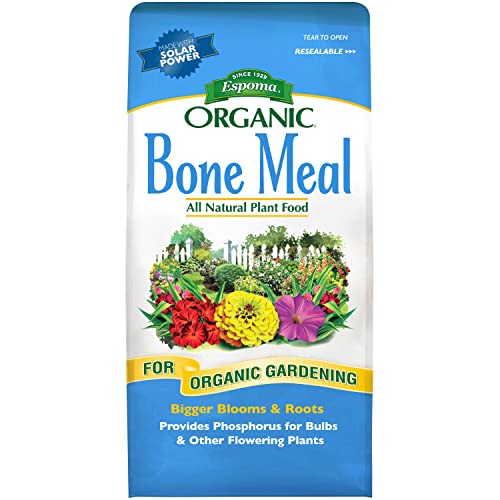
Espoma Organic Bone Meal Fertilizer 4-12-0 Plant Food 8 lb

Supply Solutions Urea 46-0-0 Nitrogen Fertilizer (40 lb)
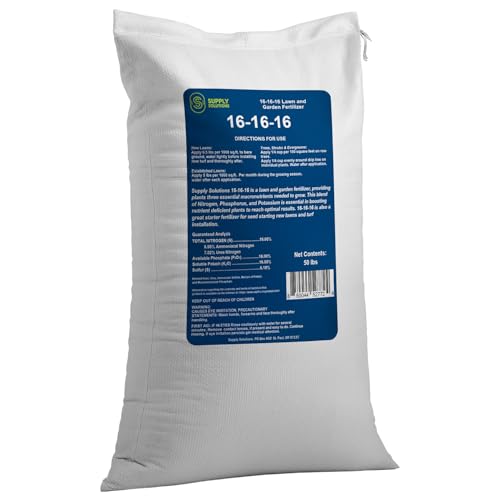
Supply Solutions 16-16-16 Complete Lawn & Garden Fertilizer 50 lb

FloraLife Crystal Clear Powder Flower Food 10 lb

Supply Solutions 21-0-0-24S Ammonium Sulfate Fertilizer (50 lb)

Miracle-Gro 1013202 Watering Can Singles (24 Packets, 2-Pack)
The Details Behind The Selections
If your lawn has been struggling and you’d rather reach for something organic than a synthetic blend, BuildASoil Worm Castings offer a gentle, biology-first path forward. This is technically vermicompost, which means it is the nutrient-rich digested material earthworms leave behind, screened to a dark, evenly moist consistency. In a real yard that means you’re feeding soil microbes first, and the grass gets a slow, steady trickle of nutrients as those microbes break the material down.
For raised beds and patchy lawn rebuilds alike, it works as a top-dress or a mixing-in amendment. You can spread it across bare spots and rake it into the top inch of soil, or work it around new sod so roots find a friendly medium to grab onto.
Useful Strengths
- Pure organic, lab-tested blend with consistent quality and freshness
- Well-screened texture spreads evenly without clumping
- Rich dark color indicates high organic matter content
- 2-gallon volume covers a meaningful area for a small yard
- Safe for vegetable gardens, indoor houseplants, and outdoor beds
Things To Consider
- Won’t deliver the rapid green-up that synthetic nitrogen provides
- Best mixed into soil rather than left sitting on top of established turf
Whose Yard It Belongs On
Vegetable gardeners and homeowners rebuilding tired soil who prefer a slow-release organic approach over synthetic quick fixes.
Look Elsewhere When
A homeowner chasing fast greening for a large open lawn will get quicker results from the Supply Solutions Urea 46-0-0 Nitrogen Fertilizer further down this list.
Laying new sod or overseeding a thin lawn? Bio-Tone Starter Plus is built specifically for that moment. The 4-3-3 analysis means 4% nitrogen, 3% phosphorus, and 3% potassium, a balanced ratio aimed at giving young roots a soft landing rather than a growth jolt. The real bonus is the inclusion of both endo and ecto mycorrhizae, which are beneficial fungi that form a symbiotic relationship with roots, extending their reach for water and nutrients.
That mycorrhizal component is the difference-maker for transplants and seed starts. Where a plain starter might feed the grass briefly, this one establishes a living root network that pays off for the entire season. You mix it into the planting hole or work it into the topsoil before laying sod, and the fungi get to work alongside the young roots.
Good Reasons To Consider
- Contains 5% calcium alongside the standard N-P-K trio
- Both endo and ecto mycorrhizae included for broad plant compatibility
- Environmentally safe formulation with no sludge-based ingredients
- 18 lb bag covers a sizable new lawn or several planting beds
Points To Note
- Not formulated for the high-nitrogen push an established lawn typically craves mid-season
- Works best when mixed directly into soil at planting time
Feature Snapshot
Right Fit For
First-time sod layers and overseeders who want a friendly biological head start without synthetic burn risk.
A Better Fit Elsewhere
Homeowners with established turf chasing deep green color will find the Espoma Organic Bone Meal Fertilizer a smarter pick for root development.
Bone meal is one of the oldest tricks in the organic gardening playbook, and Espoma’s take is a clean, single-ingredient option with no fillers. The 4-12-0 analysis tells the real story: 12% phosphorus, the middle number in any fertilizer ratio, is the nutrient that drives root development and flower production. Zero potassium and modest nitrogen make this a specialist rather than an all-rounder.
The honest read is that bone meal shines where flowering and root growth matter most. Tulips, daffodils, and other spring bulbs respond particularly well because they’re building next year’s bloom during the current season. Roses, peonies, and other heavy-flowering perennials also benefit from a fall or early-spring application worked into the soil.
Everyday Advantages
- 100% domestic bone meal with no additives or fillers
- Slow-release phosphorus that won’t leach away quickly
- Long-lasting nitrogen and calcium alongside the phosphorus
- Approved for organic gardening use
Worth Bearing In Mind
- Won’t green up a lawn; this is a targeted root-and-flower product
- Most effective when tilled into the planting hole rather than surface-applied
- Phosphorus accumulates over time, so heavy annual use can throw soil chemistry off
Made For
Bulb planters and flower gardeners who want a clean organic phosphorus source without synthetic additives.
Consider Something Else When
A homeowner feeding a large expanse of turf grass will get more value from the balanced Supply Solutions 16-16-16 Complete Lawn & Garden Fertilizer covered later in this list.
Urea is the workhorse of nitrogen fertilizers, and Supply Solutions offers a 46-0-0 concentration that means almost half the bag is pure nitrogen. That’s the highest analysis you’ll typically find in a dry lawn fertilizer, which is why the 40-pound bag covers meaningful ground despite the bag size. The push for deep green turf color comes from this kind of formulation.
For homeowners with larger yards, the math works out well: a small amount per thousand square feet delivers a visible response within days under warm, moist conditions. Urea also supports protein synthesis in plants, which translates into stronger stems and fuller foliage alongside the color boost. The trade-off is that urea releases quickly and can burn turf if overapplied or applied during the hottest part of the day.
What Works In Its Favor
- 46% nitrogen delivers fast green-up for nitrogen-hungry turf
- Single-ingredient formulation keeps application calculations simple
- Supports protein synthesis and chlorophyll production in plants
- 40-pound bag covers a sizeable residential lawn
Honest Caveats
- No phosphorus or potassium, so this isn’t a complete fertilizer on its own
- Can scorch grass blades if spread too heavily in midday heat
- Volatilization loss is common without watering in or working into soil
Key Specs
Best Suited To
Homeowners managing large turf areas who want fast, measurable greening without paying for a balanced blend they don’t need.
Swap It Out When
Garden beds with mixed flowering plants will be better served by the Supply Solutions 16-16-16 Complete Lawn & Garden Fertilizer for a more balanced nutrient profile.
Triple-16 is the original all-purpose ratio, and Supply Solutions delivers a 50-pound bag that anchors a lot of mixed-use yards. Sixteen percent each of nitrogen, phosphorus, and potassium means every granule carries the same nutrient profile, which simplifies how you spread it. You don’t have to remember which bag goes where, because this one feeds the lawn, the vegetable patch, and the flower beds with the same material.
The nitrogen drives leaf and blade growth for that visible green-up. Phosphorus supports root development and flower initiation, while potassium fortifies the plant overall against drought stress and disease pressure. For a homeowner who wants one bag to cover most of the property, this is a practical answer.
The Practical Payoff
- Balanced 16-16-16 ratio works for lawns, vegetables, and flowers alike
- Granular form spreads evenly through a standard broadcast spreader
- Phosphorus supports bloom and fruit production in garden beds
- Potassium content improves overall plant resilience
- 50 lb bag covers a large residential property
Things To Note
- Equal phosphorus may be excessive for already-balanced soils
- Granular form requires watering in to activate and prevent surface loss
Who It Suits Best
Mixed-use property owners who want a single bag that handles lawn, garden, and flower beds without juggling multiple products.
Where Another Pick Suits Better
Acid-loving shrubs like blueberries and azaleas will perform better with the Supply Solutions 21-0-0-24S Ammonium Sulfate covered later in this roundup.
FloraLife lives in a different lane than the other fertilizers on this list, and that’s worth saying upfront. This is a cut-flower treatment powder, designed to keep fresh-cut blooms hydrated and looking lively in a vase, not a lawn or garden fertilizer in the traditional sense. If you grow flowers for cutting, run a small bouquet operation, or just want your arrangements to last through a dinner party, this is the product you’re actually shopping for.
The 10-pound powder format mixes into bucket water for treating large batches of stems at once. Crystal clear means it dissolves without clouding the water, which keeps presentation-grade buckets looking clean.
Practical Pluses
- Dissolves clear without clouding vase or bucket water
- Bulk 10-pound format suits florists and serious hobbyists
- Standard dilution for routine cut-flower care
Points To Keep In Mind
- Not a soil or turf fertilizer; this is a post-harvest flower treatment
- Overdosing can scorch stem ends and shorten vase life
Perfect Match For
Florists, flower farmers, and home gardeners who regularly arrange cut flowers and want longer-lasting bouquets.
Reach For A Different Pick When
Anyone feeding actual lawn grass should turn to the Supply Solutions Urea 46-0-0 for nitrogen or the Espoma Bio-Tone Starter Plus for new plantings.
Ammonium sulfate pulls double duty, and that dual nature is the whole point. The 21% nitrogen delivers the green-up response you’d expect from a high-nitrogen product, while the 24% sulfur content pulls soil pH downward over time. For acid-loving plants like blueberries, azaleas, camellias, and rhododendrons, that pH shift is exactly what unlocks nutrient availability in alkaline soils.
In practical terms, you spread it around the drip line of acid-loving shrubs and water it in. The ammonium ions release gradually, feeding both the plant and the soil chemistry shift at once. Over a season or two of regular application, you’ll see leaves darken and bloom color intensify, particularly in alkaline regions where these shrubs typically struggle.
Useful Touches
- 21% nitrogen for visible greening and foliage density
- 24% sulfur actively lowers soil pH over time
- Formulated specifically for blueberries, azaleas, camellias, and rhododendrons
- 50 lb bag covers multiple established shrubs across several seasons
Worth Noting
- Not appropriate for plants that prefer neutral or alkaline soil conditions
- Over-application can drop pH too far and lock out other nutrients
- No phosphorus, so this isn’t a stand-alone solution for flowering shrubs
Quick Facts
Who Should Grab It
Growers in alkaline-soil regions cultivating blueberries, azaleas, camellias, or rhododendrons who need both nutrition and pH adjustment.
Not Your Match When
Vegetable gardeners and turf managers should default to the Espoma Bio-Tone Starter Plus or Supply Solutions 16-16-16 for balanced nutrition.
Pre-measured packets are the easiest way into fertilizing for someone who doesn’t want to think about scoops, scales, or spreader calibration. Miracle-Gro’s Watering Can Singles come as 24 individual doses, with this two-pack totaling 48 feedings. You tear one open, pour it into a watering can, fill with water, and water as usual.
It’s a water-soluble formulation, meaning the nutrients are already in a form the plant can absorb quickly. For small jobs like a couple of houseplants, a window box, or a modest flower bed, this skips the math entirely. The two-pack format gives you a comfortable cushion of feedings across a growing season without committing to a large bulk bag.
Features That Help
- Pre-measured packets eliminate dosing guesswork
- Water-soluble formula feeds plants quickly through leaves and roots
- No-mess application compared to loose powders or granules
- Two-pack format covers a full season for light users
- Compatible with any standard watering can
Things To Consider
- Per-application cost is higher than bulk fertilizer options
- Not practical for larger lawns or extensive garden beds
Built With In Mind
Apartment dwellers, small-space gardeners, and casual plant owners who want a foolproof, no-measurement fertilizing routine.
Where Another Pick Suits Better
Anyone managing a full lawn or sizable vegetable garden should choose the Supply Solutions 16-16-16 for bulk value and broader coverage.
Matching Fertilizer To Your Soil And Goals
Choosing the right fertilizer starts with knowing what your soil actually needs, and the only honest answer there comes from a soil test. Local extension offices and home test kits both reveal your current pH and the levels of nitrogen, phosphorus, and potassium already present. Without that baseline, you’re guessing, and over-application of phosphorus in particular can build up faster than plants use it.
The N-P-K ratio printed on every bag tells you what you’re actually buying. The first number, nitrogen, drives leaf and blade growth, which is why lawn fertilizers lead with it. The middle number, phosphorus, supports root development and flower production. The third, potassium, hardens plants off against drought, disease, and temperature swings. A balanced 16-16-16 works for general use, while a high-nitrogen blend like 46-0-0 fits a nitrogen-starved lawn specifically.
Application format matters too. Granular fertilizers spread through a broadcast spreader and release slowly over weeks, which suits larger lawns and infrequent feedings. Water-soluble powders and liquids feed faster but require more frequent application. Organic amendments such as worm castings and bone meal work through soil biology over months rather than days, trading speed for long-term soil health. Pick the format that matches how often you actually want to be out there feeding your yard.
Key Considerations Across These Picks
Mistakes Worth Dodging
Overapplying nitrogen during summer heat is one of the most common lawn mistakes, and it can scorch grass blades or push top growth at the expense of roots. Skipping the soil test is another trap; without it, you’re working blind and risk piling on phosphorus that your lawn doesn’t need. Finally, mixing fertilizer types without understanding their release rates can double-feed certain nutrients while starving others.
Where The Extra Money Goes
Premium organic fertilizers and balanced blends with biological additives such as mycorrhizae cost more because of the sourcing and processing involved, not because of marketing. The real upgrade is in how they treat your soil over years, building microbial life and structure rather than just feeding plants in the moment. For a small yard or specialty bed, that long-term value is often worth the difference. For a sprawling lawn where you’re feeding the same nitrogen every season, a budget synthetic option delivers comparable visible results at a fraction of the cost.
Frequently Asked Questions
How often should I fertilize my lawn? Most lawns benefit from two to four feedings per year, with the heaviest application in early fall and a lighter touch in spring. Cool-season grasses typically want fall and spring feedings, while warm-season grasses respond best to late spring and summer applications. The exact timing depends on your grass type and local climate.
What’s the difference between organic and synthetic fertilizer? Organic fertilizers come from plant or animal sources and release nutrients slowly as soil microbes break them down. Synthetic fertilizers deliver nutrients in an immediately available form, which produces faster visible results but requires more frequent reapplication. Organic options generally improve soil structure over time, while synthetics feed the plant without enriching the soil biology underneath.
Can I use the same fertilizer on my lawn and garden? Balanced ratios like 16-16-16 work across lawns, vegetables, and flowers without major issues, though specialty products often perform better for specific goals. Acid-loving shrubs, flowering bulbs, and heavy-feeding vegetables each have tailored blends worth considering. A balanced all-purpose bag is a fine starting point, but matched products typically outperform general ones.
Is a soil test really necessary? For any lawn you care about long-term, a soil test pays for itself within a single season by telling you what your soil actually lacks. Without one, you’re either underfeeding nutrients your lawn needs or overfeeding nutrients it already has in excess. Most extension services offer affordable testing with clear recommendations tailored to your region.
When is the best time to apply fertilizer? Early morning or late afternoon on a calm day with rain in the forecast is ideal, because the granules need watering in to activate and reach the roots. Avoid the hottest part of the day, which raises burn risk, and skip application during drought stress when grass can’t readily take up nutrients. Cool, moist conditions help fertilizer work into the root zone without stressing the turf.
Closing Thoughts
The right product for your yard comes down to soil chemistry, grass type, and how much hands-on time you want to invest. A soil test is the smartest first step you can take, and once you know what your lawn actually needs, the rest of this list narrows down quickly. Pick the format that matches your routine, and your grass will tell you within a few weeks whether you made the right call.